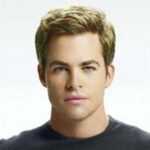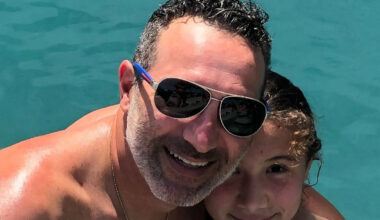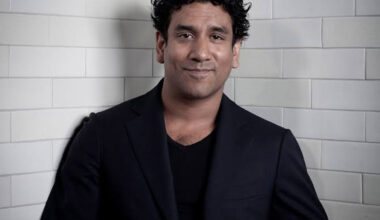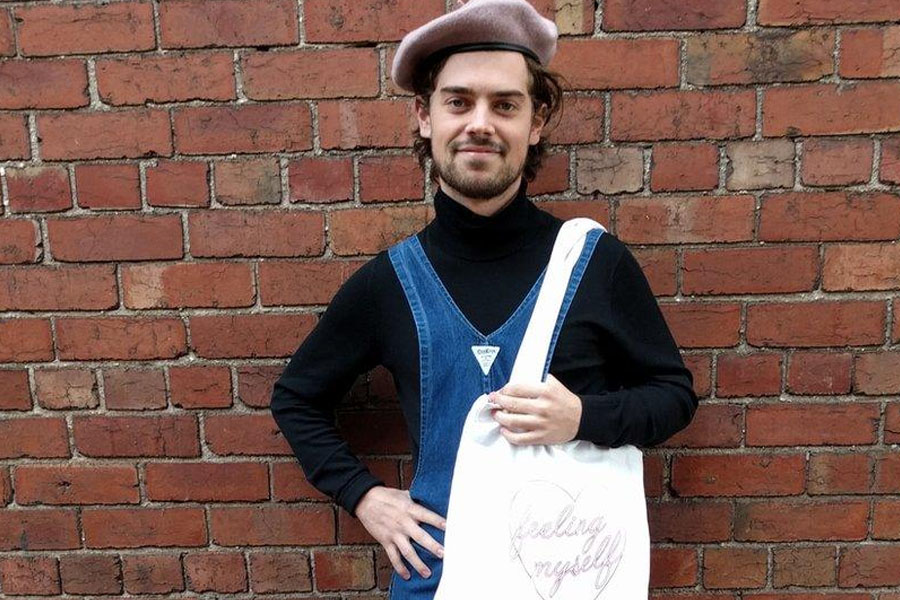
A portrait of Sam Hains
In my mind, Sam Hains represents art, coding, and memory. His public work is a colorful maze of 3D graphics, generative systems, interactive media, and half-built, half-dreamed digital worlds. He is a Melbourne-based digital artist, programmer, and researcher who works with AI, simulation, internet culture, sorrow, and the peculiar emotional weather of online existence. His work resembles a mirror that learns to speak.
His career merges technical expertise and environment, which attracts me. Sam Hains is not a traditional painter or sculptor. He creates invisible stages, artificial weather systems, and data-driven universes. He uses rigor from software engineering, but his work is fluid and lyrical. Using 3D environments, WebGL, Javascript, GLSL, Houdini, and AI, his results are rarely chilly. However, it often feels haunted.
His public persona incorporates scholarly work. Associate Lecturer in Digital Design at RMIT and PhD candidate at Monash University. I value such mix because it displays expressive and reflective practice. He creates more than digital objects. He is considering them, testing their emotional impact, and discussing how technology changes memory and identity.
Career path and creative identity
I read Sam Hains’ career as a steady climb through increasingly ambitious forms of digital expression. Early projects such as Zero Likes in 2017 helped establish his interest in the mechanics of online attention. That project took on the logic of social media itself, asking what happens when an image is trained on emptiness, on the absence of approval. It is a sharp idea, and it says a great deal about the world he is responding to. Social networks can behave like giant cathedrals built from metrics, and Sam often seems to study the light inside them.
From there, his work expanded into more complex systems. Pluto (C:) continued his exploration of artificial intelligence and internet culture. QWERTY SYSTEMS in 2019 pushed into performance, voice commands, text generation, live scraping, and game like interaction. I see this as a key step in his development. He was no longer only creating digital images. He was building living structures that respond, mutate, and perform.
His later work became even more conceptually charged. Lost Home Worlds in 2023 focused on grief and memory through a generative interactive NFT collection. Bullet Heaven, also from 2023, turned the language of arcade shooters into an art system, a bright storm of bullets made poetic. These projects show a recurring pattern in his practice. Sam Hains often takes a familiar digital form and tilts it just enough that it starts to reveal its emotional skeleton.
His work has also crossed into music visuals, animation, and broader visual direction. He has been connected to ANTIBOY related projects and to visual work that extends into music and fashion adjacent spaces. That breadth suggests a career built like a web, with many strands rather than one straight road.
Family members and personal relationships
I cannot understand Sam Hains without also looking at the family context around him. His public life is closely linked to a family that includes Jane Badler, Stephen Hains, and Harry Hains. These relationships are part of the story, not an accessory to it.
Jane Badler
Jane Badler is Sam Hains’ mother. She is the most publicly visible member of the family, known for her work as an actress and singer. Her life has moved across entertainment, music, and family, and she has spoken publicly about her children. In the material I reviewed, she is described as the mother of Sam and Harry Hains, and as someone who built a life in Australia after meeting Stephen Hains there.
What stands out to me is that Jane Badler is not just a celebrity parent standing in the background. She appears as a living bridge between performance and family history. In public posts she has referred to Sam as her eldest child, which gives a clear sense of place inside the family order. That detail matters because it roots Sam in a real domestic sequence, not only in a public profile.
Stephen Hains
Stephen Hains is Sam Hains’ father. Public references describe him as a businessman and as Jane Badler’s husband. In family accounts, he appears as the parent who helped form the household in Australia. There is less public detail about his personal life than about Jane Badler’s or the artistic work of the children, but he remains a central part of the family structure.
I treat Stephen Hains as the quieter pillar in the background of the family story. He is not the most visible name in the public record, but he is part of the foundation. Many families have one person who stands in the spotlight and another who holds the frame together. Stephen seems to occupy that steadier place.
Harry Hains
Harry Hains was Sam Hains’ brother, and his death in January 2020 gave the family story a deeply sad edge. Harry was known as an actor, musician, model, and artist. He was young, widely creative, and publicly associated with a transgressive, experimental style of self presentation. His life and work carried a fierce kind of energy, and that energy still echoes through the material connected to Sam and the family.
What makes Harry important in this article is not only his own biography but the way his creative identity intersected with Sam’s. Sam was involved in visual work tied to Harry’s ANTIBOY project, and after Harry’s death, the family kept that artistic current alive. That creates a powerful familial thread. It is as though one brother built a signal and the other helped keep the signal running after the transmitter went quiet.
Sam Hains himself
Sam Hains is the eldest child in the family, and that place feels important. Eldest children often become witnesses as much as participants. They watch the family form, change, fracture, and remember. Sam’s public art seems to carry that kind of observational intelligence. He makes work about memory, afterimages, digital residue, and the ghost logic of online culture. In that sense, his personal life and artistic life feel intertwined.
I do not see public evidence of a spouse, partner, or children, and I do not want to invent any. What is visible is the family structure around his mother, father, and brother, and the creative inheritance that passes among them like a current.
Major work, themes, and achievements
Sam Hains’ accomplishments are intriguing since they go beyond exhibitions and technical accolades. His ideas are assessed by their cross-cultural reach.
He became known for turning social media logic into art with Zero Likes. QWERTY SYSTEMS demonstrated he could think performance-wise, not image-wise. Lost Home Worlds and Bullet Heaven showed he could expand those themes into conceptual pieces with serious emotional impact. He is also represented in galleries, festivals, internet platforms, and experimental publication spaces.
Some themes repeat like a house of mirrors tune. Grief. Simulation. Artificial intelligence. Memory. The internet feel. The gray area between human emotion and mechanical output. Sam Hains doesn’t seem to research these abstractly. He considers them liveable. What gives the work its pulse.
A brief timeline of Sam Hains and the family story
2017
Zero Likes brings him public attention as an artist working with social media, AI, and digital systems.
2019
QWERTY SYSTEMS shows a stronger move into performance, voice, and responsive digital environments.
2020
Harry Hains dies in January, and the family’s artistic story becomes more publicly visible through grief and remembrance. Sam is connected to visual work around ANTIBOY.
2023
Lost Home Worlds and Bullet Heaven deepen his focus on memory, generative art, and digital worlds that feel both playful and fragile.
2024
His work receives wider recognition through contests, interviews, and exhibition contexts.
FAQ
Who is Sam Hains?
Sam Hains is a digital artist, programmer, and researcher known for work in generative art, AI, interactive media, and 3D visual worlds. His practice often explores memory, grief, and the emotional side of technology.
Who are Sam Hains’ family members?
The publicly identified family members include Jane Badler, who is his mother, Stephen Hains, who is his father, and Harry Hains, who was his brother.
What is Sam Hains known for?
He is known for projects such as Zero Likes, Pluto (C:), QWERTY SYSTEMS, Lost Home Worlds, and Bullet Heaven. His work often blends art, code, and conceptual storytelling.
What themes appear in Sam Hains’ work?
His work often centers on artificial intelligence, digital identity, grief, memory, online culture, simulation, and the strange beauty of machine made worlds.
What is the connection between Sam Hains and Harry Hains?
Harry Hains was Sam Hains’ brother. They are linked not only by family but also by creative work, especially visual material connected to Harry’s ANTIBOY project.