A Girl from Sioux City Who Learned to Listen
Eppie Lederer was one of the few public people who used basic language to power. On July 4, 1918, in Sioux City, Iowa, Esther Pauline Friedman was born into a family of ambition and conflict. The foundations of her identity as Ann Landers began long before the advice column, the telephone rung in her office, and America learned to trust her sharp eye and calm judgment.
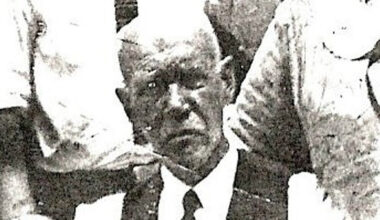
Her family influenced her childhood vividly. Her father, Abraham B. Friedman, was a Russian Jewish immigrant who owned businesses in Sioux City and showed movies. Rebecca Rushall Friedman, Esther’s mother, is less well-known yet was the focus of their household. The family story resembles a classic American climb, founded on fortitude, reinvention, and a strong confidence that work could improve life.
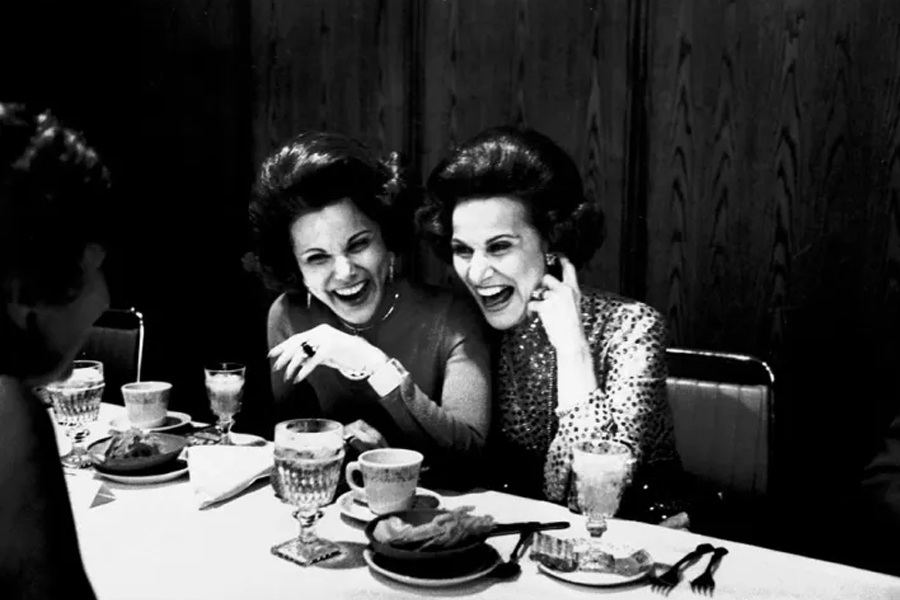
Eppie had company at the mirror house. Her identical twin sister, Pauline Esther Friedman Phillips, later known as Dear Abby, shared her upbringing, school, and national stage. In one of American media’s most odd sibling stories, the sisters were close enough to feel like two notes in the same chord but different enough to become competitors.
The Twin Sister Who Became Her Shadow and Her Mirror
Pauline Phillips was Eppie’s twin, born just 17 minutes later. That tiny gap became part of a much larger story. Both girls attended the same schools, both wrote, both married on the same day in 1939, and both became advice columnists whose words reached millions. In another family, that might have been a footnote. In theirs, it became destiny.
Their relationship was never simple. I see it as a long braid of affection, competition, pride, resentment, and public comparison. Eppie became Ann Landers, the blunt, practical voice readers turned to when life felt tangled. Pauline became Dear Abby, slightly warmer in tone, though just as influential. Together, they formed a strange kind of cultural duet. They answered strangers for a living, yet their own lives were knotted with private tension.
The twin story mattered because it gave Eppie a lifelong foil. Every success had a twin-shaped echo. Every public triumph was measured beside her sister’s. That kind of comparison can sharpen a person, and it can also cut. In Eppie’s case, it seems to have done both.
Marriage, Motherhood, and the Private Life Behind the Column
Eppie married Jules William Lederer in 1939. Their marriage lasted 36 years, a long stretch by any measure, and it produced one child, a daughter named Margo Howard. Jules later became known as a businessman and as a founder of Budget Rent a Car, which placed him in the orbit of postwar American enterprise and mobility. He was part of the machinery of growth, while Eppie was building something more intimate and more elusive, a public ear.
Margo Howard became an important figure in Eppie’s story. She was not just a child in the background. She grew into a writer and advice columnist herself, which made the family line feel almost hereditary. Advice ran through the home like electricity. Margo’s relationship with Eppie was complex, affectionate, and at times strained. That tension makes sense to me. It is hard enough to have a mother. It is harder still to have a mother who is also a national conscience.
In 1975, Eppie and Jules divorced. By then, her public identity was already larger than her private one, but the divorce reminded the world that the woman who advised millions was also living through the ordinary fractures of marriage. Fame may amplify a person, but it does not protect them from grief, mismatch, or drift.
The Career That Turned Ordinary Questions into National Conversation
Eppie became Ann Landers in 1955 after winning the Chicago Sun-Times contest. Her first Ann Landers piece ran October 16, 1955. Her voice became ubiquitous in American homes after that. She wrote for lonely, confused, angry, humiliated, curious, or desperate answer seekers. She gave them blunt, but not frigid, sentences. She had the gift of saying what many needed to hear, even if they rejected it.
Her column reached tens of millions over 47 years. That scale counts. It suggests she was more than a columnist. She was a weekly companion, cultural referee, and moral alert. She also tackled taboo themes including homosexuality, drunkenness, AIDS, and family conflict. Her willingness to enter tough rooms gave her authority.
Books by her appeared in 1961, 1964, 1968, and 1993. Her column lived longer because to the books, but her influence remained. She wasn’t pretty. She was sensible. Language carpenter, she shaped counsel with clean edges.
Her public accomplishments were significant. Her lobbying boosted National Cancer Act support in 1971. A 1978 World Almanac study voted her the most important American woman. In 1985, she earned the Albert Lasker Public Service Award for advancing medical research. Honors show what the column was. It was entertainment and civic force.
The Family Tree That Kept Returning to the Headlines
The Lederer family became famous not because they sought to be a dynasty, but because each member found a public voice. Abraham B. Friedman was the patriarch, the builder, the immigrant businessman. Rebecca Rushall Friedman was the mother at the center of the household. Pauline Phillips was the twin sister, the rival, and the fellow advice queen. Jules Lederer was the husband who shared a long marriage and then left it behind. Margo Howard was the daughter who inherited the family’s instinct for commentary. Jeanne Phillips, Pauline’s daughter, became the next holder of the Dear Abby name, which kept the family story alive across generations.
That is a lot of public identity for one family. It can feel like a hall of portraits, each face lit a little differently, each one looking out from the same lineage. Eppie stood near the center of that wall. She was both bridge and boundary. Her life connected immigrant family origins to modern media celebrity, private pain to public counsel, domestic conflict to national relevance.
FAQ
Who was Eppie Lederer?
Eppie Lederer was Esther Pauline Friedman, the columnist who became famous as Ann Landers. She was born in 1918 in Sioux City, Iowa, and became one of the most widely read advice writers in American history.
Who were Eppie Lederer’s family members?
Her father was Abraham B. Friedman, her mother was Rebecca Rushall Friedman, her twin sister was Pauline Esther Friedman Phillips, her husband was Jules William Lederer, her daughter was Margo Howard, and her niece was Jeanne Phillips.
Was Pauline Phillips really her twin?
Yes. Pauline Phillips was Eppie Lederer’s identical twin sister. Pauline later became famous as Dear Abby.
Did Eppie Lederer have children?
Yes. She had one child, a daughter named Margo Howard.
What was Eppie Lederer best known for?
She was best known for writing the Ann Landers advice column, which ran for decades and became a major part of American newspaper culture.
Did Eppie Lederer and her sister have a rivalry?
Yes. Their relationship was famously close and competitive. They were sisters, twins, and rival advice columnists whose public lives were often compared.
When did Eppie Lederer die?
She died on June 22, 2002, in Chicago, after a long and highly visible career.